
If you’ve spent time browsing a spreadsheet kakobuy 2026, you’ve probably seen thousands of products accompanied by QC (Quality Control) photos. While many beginners focus only on product appearance, experienced buyers know that QC photos are the most important step before shipping. Learning how to properly inspect QC images can help you avoid sizing mistakes, poor materials, visible flaws, and disappointing purchases. In this guide, I’ll share the same practical QC review methods that experienced agent users rely on when shopping through spreadsheet finds in 2026.
Table of Contents
Why QC Photos Matter More Than Product Listings
One mistake many new buyers make is trusting seller photos. Factory images are designed to attract attention, but QC photos show the actual item that arrives at the warehouse. This is your opportunity to inspect details before international shipping begins.
Experienced buyers treat QC photos as their final quality checkpoint. A few minutes of careful inspection can prevent weeks of waiting for an item that doesn’t meet expectations.
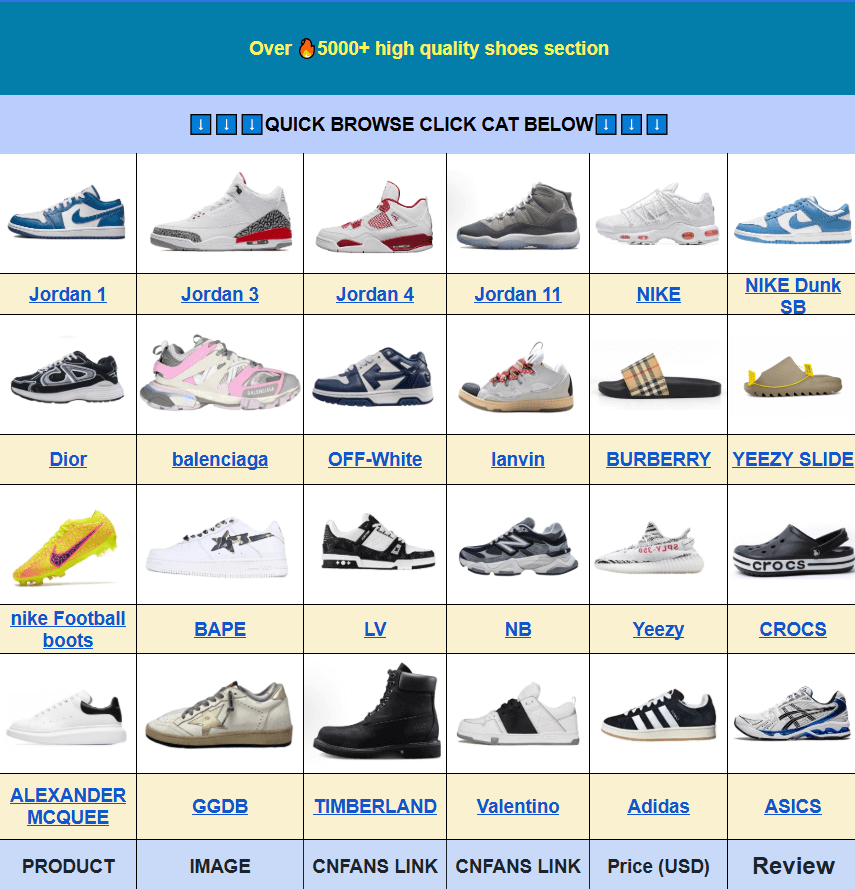
For example, many sneaker enthusiasts browsing the kakobuy spreadsheet shoes category rely heavily on QC photos to compare stitching consistency, shape accuracy, sole details, and logo placement before approving shipment.
Understanding Different QC Photo Types
Not all QC photos provide the same value. Professional buyers usually focus on several categories:
| QC Photo Type | Purpose | What to Check |
|---|---|---|
| Front View | Overall appearance | Shape, symmetry, logo placement |
| Back View | Construction quality | Alignment, stitching consistency |
| Side View | Material inspection | Texture, panel shape, proportions |
| Close-up Photos | Detail verification | Logos, embroidery, printing quality |
| Measurement Photos | Sizing accuracy | Length, width, fit expectations |
The most successful spreadsheet buyers never rely on a single image. They compare multiple angles and inspect every visible detail before confirming shipment.
7-Step QC Inspection Checklist
1. Check Product Shape First
Before zooming into small details, look at the overall silhouette. Shape is often the easiest way to identify quality differences. Shoes, jackets, hoodies, and bags all have characteristic proportions.
For example, products like New Balance 9060 Shoes or Dior B22 Shoes should maintain their recognizable profiles. Distorted proportions can signal manufacturing issues.
2. Inspect Stitching Carefully
Uneven stitching often indicates poor quality control. Look for:
- Loose threads
- Skipped stitches
- Crooked seam lines
- Inconsistent spacing
- Misaligned panels
Quality stitching usually reflects better factory standards across the entire product.
3. Examine Logos and Branding
Logos are among the easiest details to compare. Pay attention to:
- Letter spacing
- Font thickness
- Logo placement
- Embroidery density
- Print sharpness
Even premium-looking products can fail this stage if branding appears inconsistent.
4. Evaluate Material Texture
Material quality often becomes visible through close-up warehouse photos. Compare:
- Fabric density
- Leather grain texture
- Surface smoothness
- Reflective properties
- Color consistency
Experienced buyers often zoom in several times before making a final decision.
5. Verify Measurements
One of the most overlooked QC steps is checking warehouse measurement photos. Size charts are often inconsistent between factories.
Always compare:
- Chest width
- Shoulder width
- Length
- Waist measurements
- Insole length for shoes
Measurement photos provide more reliable information than seller size charts.
6. Compare Symmetry
Look at both sides of the item. Uneven construction can indicate production shortcuts.
Check:
- Shoe toe boxes
- Jacket pockets
- Logo alignment
- Bag handles
- Embroidery positioning
7. Review Warehouse Lighting Effects
Warehouse lighting can sometimes alter colors. If a color looks unusual, compare multiple QC angles before making conclusions.
This prevents unnecessary returns caused by lighting distortions rather than actual product issues.
Common QC Red Flags That Experienced Buyers Reject
After reviewing hundreds of QC albums, several warning signs consistently appear:
| Red Flag | Risk Level | Recommended Action |
|---|---|---|
| Major stitching defects | High | Request exchange |
| Incorrect measurements | High | Replace item |
| Visible glue marks | Medium | Evaluate severity |
| Logo misalignment | Medium | Compare with references |
| Minor loose thread | Low | Usually acceptable |
The goal isn’t perfection. Even retail products can have minor flaws. Focus on issues that affect appearance, sizing, or durability.
Using Kakobuy Spreadsheet More Efficiently
One advantage of using the Kako Spreadsheet platform is that products are organized into searchable categories rather than massive Google Sheets.
Instead of scrolling through thousands of spreadsheet rows, users can quickly filter products and review QC references more efficiently.
Personally, I usually save several candidate products and compare QC photos side-by-side before making final selections. This method dramatically reduces impulse purchases and improves haul satisfaction.
For accessories and everyday items, products such as Chrome Heart Glasses can benefit from detailed logo and frame alignment inspection during QC review.
Kakobuy Special Compensation Package
Kakobuy has introduced a special compensation package for users:
Coupon Code: KAKOCARE
- 1 × 20% Shipping Discount Voucher (No Minimum Spend)
- 1 × ¥50 Shipping Voucher (No Minimum Spend)
- 1 × ¥30 Shipping Voucher (No Minimum Spend)
If you’re planning a larger haul, applying available shipping vouchers can significantly reduce total logistics costs.
My Personal QC Workflow
After years of reviewing warehouse photos, my process is simple:
- Check shape and proportions first.
- Zoom into stitching.
- Inspect branding details.
- Verify measurements.
- Compare both sides for symmetry.
- Review material texture.
- Approve shipment only after completing all checks.
This approach takes less than five minutes per item but can save significant money and disappointment.
Final Thoughts
Reading QC photos is a skill that improves with practice. The more products you inspect, the faster you become at spotting potential issues. Rather than relying solely on seller images, use QC photos as your final decision-making tool. Whether you’re shopping for sneakers, clothing, accessories, or seasonal finds, mastering QC analysis is one of the most valuable skills any spreadsheet buyer can develop.
FAQ
Q: What is the Kakobuy Spreadsheet website?
A: It is a curated product discovery platform that converts large spreadsheet collections into an easy-to-browse website, helping users find products more efficiently.
Q: What is its relationship with Kakobuy?
A: The website functions as an independent resource and product directory. Users can browse products and then continue purchasing through Kakobuy services.
Q: What are the international shipping costs and delivery times?
A: Shipping costs depend on destination country, package weight, and shipping line. Delivery generally ranges from 7–25 days depending on the selected method.
Q: What should I do if I receive an unsatisfactory product?
A: Contact customer support immediately and provide photos. Reviewing QC photos carefully before shipment helps reduce these situations.
Q: What types of products are available on the website?
A: The platform includes shoes, clothing, accessories, bags, jackets, hoodies, jerseys, electronics accessories, and many other categories.
Q: How is the product quality? Are there QC photos?
A: Most products include QC photos or warehouse inspection images that allow buyers to evaluate quality before shipment.
Q: What benefits are there for first-time users?
A: New users can often take advantage of promotional shipping coupons, spreadsheet recommendations, and curated product selections.
Q: Is the Kakobuy Spreadsheet website mobile version easy to use? How do I search for items I want to buy?
A: Yes. The mobile interface supports category browsing, keyword search, and product filtering for quick discovery.
Q: What are its advantages compared to other Google Spreadsheet resources?
A: Faster loading speed, category organization, improved mobile usability, easier navigation, product previews, and a more user-friendly shopping experience.