
Smart Search Tip: Looking for more? To find items instantly, use single-word keywords (e.g., “SHOES” or “T-SHIRT”) instead of long sentences for the best results.
Finding reliable Kakobuy jackets best batch options in 2026 can feel like navigating a maze. Many smart shoppers waste time scrolling endless Google Sheets that load slowly and hide important details. I have spent months testing different sources, comparing construction details, and tracking real user feedback to identify which jacket listings actually deliver solid value. The goal is simple: help you avoid cheap traps while still staying within a reasonable budget. This guide focuses on practical steps that work for buyers across North America, Europe, Australia, and beyond who want better streetwear apparel and mainstream brand alternatives without the usual headaches.
What Makes a Best Batch Jacket Worth Considering
After reviewing dozens of listings and talking with people who regularly order through agent platforms, a clear pattern appears. The better jacket options share a few practical traits: consistent stitching along seams, accurate logo placement when applicable, proper weight for the season, and hardware that does not feel flimsy. These details matter more than flashy marketing claims.
Many budget-conscious fashion lovers start by browsing large shared sheets, but those sheets often lag, freeze, or bury useful information under hundreds of rows. That is exactly why converting the data into a clean web format helps. You can move faster, filter by category, and open product pages that already include preview images and direct links for ordering.
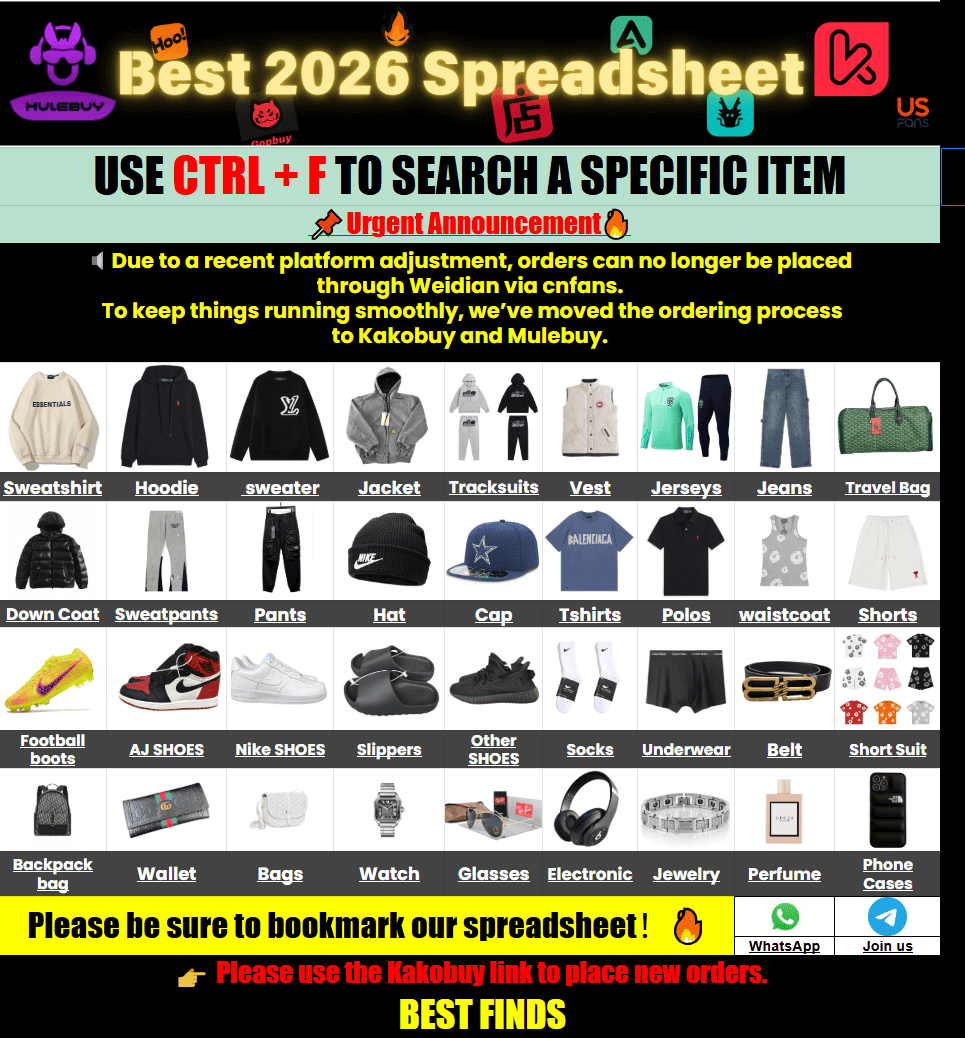
If you are new to this approach, start on the main Kakobuy spreadsheet 2026 homepage. From there you can jump straight into the jackets section or specific brand pages without waiting for spreadsheet cells to load.
Common Cheap Traps That Catch Most Buyers
Cheap traps usually show up in three places: price that looks too good, missing or low-quality photos, and vague descriptions. A jacket listed far below the usual range for its style often uses thinner fabric, weaker zippers, or simplified patterns. The first few times I ordered I fell for a couple of these and learned the hard way.
Another frequent issue is size inconsistency. Some lower-tier options follow their own manufacturer dimensions that differ noticeably from standard brand charts. Always check the provided measurements rather than relying on letter sizes alone. When the listing includes actual garment measurements in centimeters, treat that as more reliable information.
Poor photo presentation is another red flag. Blurry images, heavy filters, or photos that only show the front can hide stitching problems or color inaccuracies. Listings that include multiple clear angles and close-ups of collars, cuffs, and labels tend to come from more careful sources.
| Warning Sign | What It Usually Means | Better Alternative |
|---|---|---|
| Price far below average for the style | Thinner material or simplified construction | Compare weight and hardware notes |
| Only 1–2 low-resolution photos | Possible quality shortcuts | Look for multi-angle and detail shots |
| No size chart or only letter sizes | High chance of fit issues | Prefer listings with cm measurements |
| Vague or copy-paste descriptions | Less careful sourcing | Detailed fabric and construction notes |
How to Spot Better Construction Before You Order
When I evaluate a jacket listing, I focus on five practical points. First, fabric weight. A winter-style piece that feels too light in the description is usually a compromise. Second, zipper quality. Smooth operation and solid pullers matter more than logo style. Third, seam finishing. Clean internal seams reduce irritation and improve durability. Fourth, logo and branding placement accuracy when the design includes them. Fifth, overall silhouette. Some lower options cut the pattern differently, which changes how the jacket sits on the body.
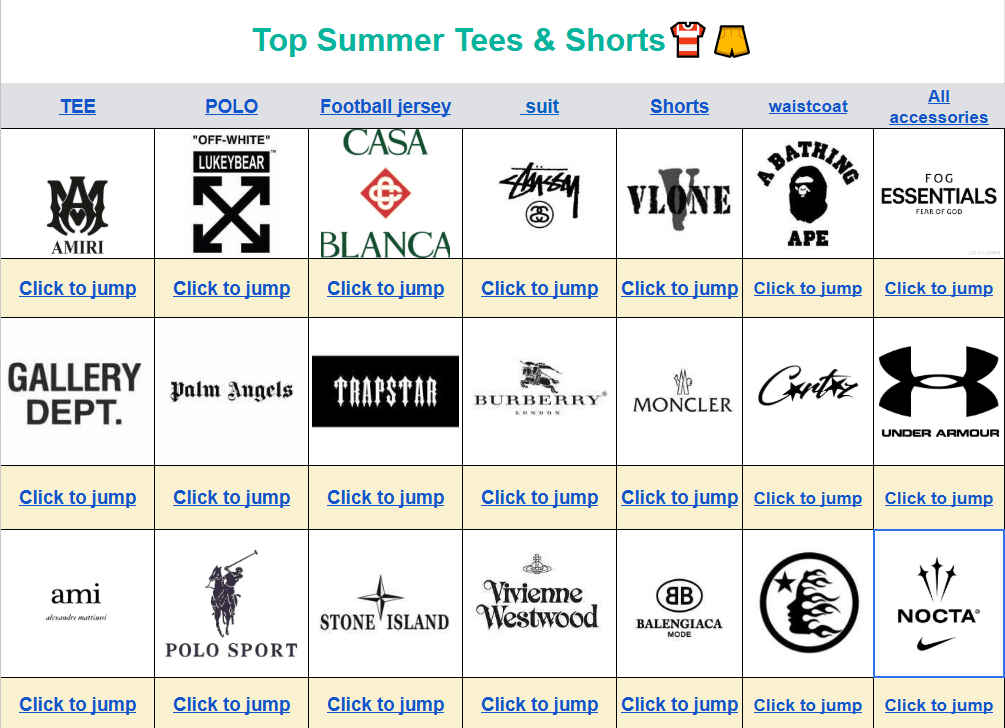
Many of the stronger options appear under well-known streetwear and outdoor-inspired names. For example, browsing the kakobuy spreadsheet moncler page often shows clearer photo sets and more consistent notes about insulation and shell material. The same principle applies across other popular brands.
One practical habit that saved me money is opening several similar listings side by side and comparing the photo details rather than the prices first. The difference in construction often becomes obvious within a few minutes.
Sizing Reality Check for International Buyers
International sizing remains one of the biggest sources of disappointment. A size labeled “L” from one source can measure closer to a standard M from another. That is why the better listings include a simple measurement table: chest width, shoulder width, sleeve length, and body length in centimeters.
My personal process is straightforward. I measure a jacket I already own that fits well, then match those numbers to the listed measurements. If the difference is more than 2–3 cm in the chest or length, I adjust the size choice. This method works better than relying on the size charts of mainstream brands because many affordable variations follow their own manufacturer dimensions.
For jackets specifically, pay extra attention to sleeve length and shoulder fit. These two areas are harder to alter after arrival and affect how the piece looks when worn. Layering also matters. If you plan to wear the jacket over hoodies, leave a bit of extra room in the chest measurement.
Using the Spreadsheet Site Efficiently
The main advantage of the web version is speed and organization. Instead of waiting for a large Google Sheet to load every row, you land on category pages that already group items logically. The jackets category sits alongside other clothing sections, so moving between related items is simple.
You can reach the full jackets collection directly through the kakobuy spreadsheet jackets page. From there, filters and brand links help narrow the view quickly. Once you find an item that looks promising, the product page usually shows preview images and a clear path to place the order on the agent platform.
Search works best with short, single-word terms. Typing “jacket” or the brand name often returns cleaner results than long descriptive phrases. This small habit cuts browsing time significantly.
Real Haul Notes and What I Learned
Over the past year I ordered several jackets through this route for different seasons. The pieces that performed best shared the same traits already mentioned: accurate measurements, multiple clear photos, and honest notes about fabric weight. One mid-weight option I still wear regularly arrived with clean stitching and a zipper that has held up through daily use. Another cheaper alternative showed puckering along the side seams after a few washes and taught me to read the construction details more carefully next time.
Shipping times varied depending on the agent warehouse location and the chosen line. Most packages reached Europe and North America within the expected window when tracked properly. Communication with the agent about QC photos before final shipping proved useful for catching obvious issues early.
The biggest practical takeaway is simple: treat the spreadsheet website as a fast catalog rather than a final shopping cart. Use it to shortlist, compare photos and measurements, then complete the order through the linked agent platform. This separation keeps the browsing experience smooth while still giving access to the full ordering and QC process.
Frequently Asked Questions
Q: How is the product quality? Are there QC photos?
A: Quality varies by the specific listing and source. Better options usually include multiple clear photos and basic construction notes. Most agent platforms allow you to request QC photos after the warehouse receives the item and before it ships to you. I always request them for jackets because small details like zipper function and seam finish are easier to judge from real warehouse photos.
Q: What should I do if I receive an unsatisfactory product?
A: Contact the agent platform support as soon as possible with clear photos of the issue. Policies differ by platform, but many allow returns to the warehouse within a limited window if the problem is significant. Document everything early. For minor issues such as slight measurement differences, some buyers choose to keep the item after weighing the cost of return shipping.
Q: Is the Kakobuy Spreadsheet website mobile version easy to use? How do I search for items I want to buy?
A: The mobile layout works cleanly on modern phones. Category pages load faster than large shared sheets. For searching, stick to single keywords such as “jacket,” a brand name, or “hoodie.” Longer sentences tend to return fewer useful results. Once you open a product page, the path to the agent order link is usually visible near the top.
Q: What are its advantages compared to other google Spreadsheet?
A: The main practical advantages are speed and structure. Large shared Google Sheets often lag or become difficult to filter once they grow past a certain size. The web version organizes items into clear category and brand pages, loads product previews without waiting for every cell, and keeps the browsing experience consistent across devices. It does not replace the agent platform itself; it simply makes finding and comparing items faster.
Q: What is the Kakobuy Spreadsheet website?
A: It is a web-based catalog that converts popular Google Sheet data into a faster, more organized format. Users can browse by category or brand, view product previews, and then follow the external link to complete the order on the corresponding agent platform. The site itself does not process payments or hold inventory.
Q: Kakobuy Spreadsheet website Is it safe?
A: The website functions as a browsing and discovery tool. Actual purchases happen on the linked agent platform, which handles payment, warehouse QC, and international shipping. Standard online safety practices still apply: use strong passwords, enable two-factor authentication on the agent account, and review order details before confirming.
Q: What types of products are available on the website?
A: The catalog covers a wide range of clothing and accessories, including jackets, shoes, t-shirts, hoodies, pants, headwear, sets, and smaller items. New listings appear regularly as the underlying data is updated. Jackets form one of the more active categories because of seasonal demand.
Q: What is its relationship with Kakobuy?
A: The spreadsheet website serves as an independent browsing layer. It organizes publicly shared or community-maintained data into a cleaner web format and provides direct links that take users to the agent platform for ordering. It does not operate the warehouse or payment systems.
Q: What are the international shipping costs and delivery times?
A: Shipping costs and times depend on the agent platform, the chosen shipping line, package weight, and destination country. Most users see estimates inside the agent dashboard after the item reaches the warehouse. Delivery windows commonly range from one to three weeks for major destinations when tracked lines are selected, though this can vary.
Q: What benefits are there for first-time users?
A: First-time users often find the organized category pages easier to navigate than large shared sheets. Starting with one or two well-documented jacket listings, requesting QC photos, and learning the agent interface step by step usually leads to smoother later orders. Many also appreciate being able to compare multiple options quickly before committing.
Choosing jackets carefully still requires a bit of patience, but the combination of clear photos, real measurements, and a faster browsing experience removes a lot of the usual friction. Focus on construction details rather than the lowest price, double-check the size numbers against a jacket you already own, and use the agent QC step before final shipping. That approach consistently produces better results than chasing the absolute cheapest listing.