
Smart Search Tip: Looking for more? To find items instantly, use single-word keywords (e.g., “SHOES” or “T-SHIRT”) instead of long sentences for the best results.
Choosing Kakobuy shoes best batch options in 2026 requires more than just scanning low prices. After ordering multiple pairs across different styles and tracking how they held up in daily wear, I noticed clear patterns that separate solid purchases from disappointing ones. Slow-loading Google Sheets often hide the details that matter most—sole construction, upper materials, and accurate sizing notes. Converting that data into a faster web format makes comparison easier for smart shoppers everywhere. This guide shares what I actually look for now, the mistakes that cost me money earlier, and a practical way to shortlist pairs without wasting hours.
First-Hand Lessons From Recent Orders
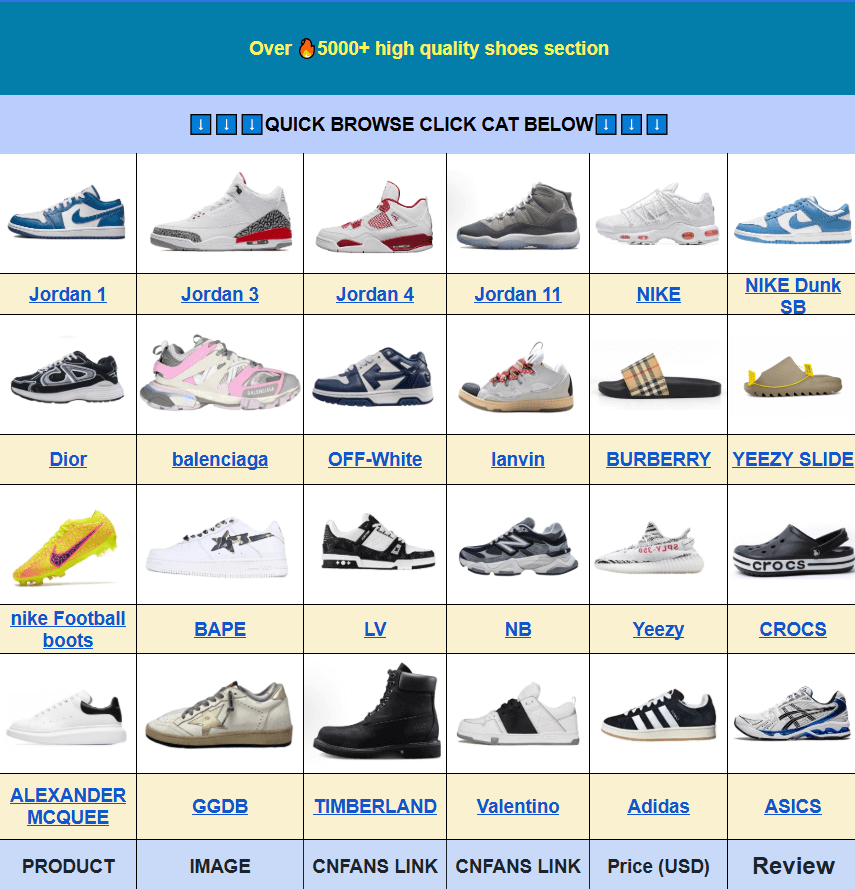
I used to open massive shared sheets and scroll for hours. Load times grew longer every month, and useful notes sat buried under hundreds of rows. Switching to a web catalog changed the rhythm. I could filter by category, open clear product previews, and move on without waiting for cells to refresh. The actual ordering still happens on the agent platform, but the discovery step became far less frustrating.
One early pair arrived with a sole that felt softer than expected and started showing wear after a few weeks of regular walking. Another pair had cleaner stitching and a more supportive midsole that still looks decent months later. The difference was visible in the original listing photos once I knew what to examine. That experience shifted how I evaluate every new option.
If you are just starting, the main Kakobuy spreadsheet 2026 page gives the cleanest overview. From there you can move into specific sections without fighting spreadsheet lag.
What Actually Matters in Shoe Construction
Price alone rarely predicts long-term comfort. The details that hold up better in real use include midsole firmness, outsole grip pattern, upper stitching density, and how the tongue and collar are padded. When a listing shows multiple clear angles—especially the sole and heel—you gain useful information before placing any order.
Some styles lean toward everyday walking, while others aim for a more structured look. I now check whether the description mentions material weight or sole thickness. Listings that skip these points often leave more guesswork. Photos taken in natural light tend to reveal color accuracy better than heavily filtered studio shots.
Brand pages can help narrow the field quickly. For example, the kakobuy spreadsheet nike section frequently includes clearer multi-angle sets that make side-by-side comparison simpler. The same principle applies when browsing other popular names.
| Detail to Check | Why It Matters | What Strong Listings Usually Show |
|---|---|---|
| Sole and midsole photos | Affects comfort and durability | Clear underside and side profile shots |
| Upper stitching close-ups | Indicates construction care | Visible stitch lines without heavy blur |
| Tongue and collar padding | Influences daily comfort | Side or open-tongue images |
| Measurement notes | Reduces size surprises | Length or insole data in cm |
Mistakes That Still Catch People
The most common error is chasing the lowest number without looking at the photo set. Extremely low prices frequently pair with thinner soles or simplified uppers. Another frequent issue is ignoring the provided measurements and defaulting to the size you wear in mainstream brands. Manufacturer dimensions can differ enough to change the fit noticeably.
Blurry or single-angle images also create problems. When only the front of the shoe is shown, you miss information about the heel counter and outsole pattern. I now skip listings that lack at least three solid angles unless the price and description give strong compensating reasons.
Rushing the QC step after the warehouse receives the pair is another avoidable risk. Requesting photos of the actual item before it ships adds a useful checkpoint. Most agent platforms support this, and the extra day or two is usually worth it for footwear.
Sizing Reality for Global Buyers
Sizing remains the area where most returns originate. Letter or US sizes alone are rarely enough. Better listings include insole length or overall length in centimeters. My current method is simple: measure the insole of a pair that already fits well, then match that number as closely as possible to the listed data.
Width can vary too. Some pairs run narrower through the midfoot even when the length matches. If the listing mentions a wide or standard last, take note. For international buyers, leaving a small buffer for socks is usually safer than aiming for a glove-like fit, especially with structured styles.
When measurements are missing, I treat the listing as higher risk and either move on or plan to request detailed QC photos that include a ruler next to the shoe. This small extra step has prevented several poor fits.
A Faster Browsing Method That Works
The web catalog solves the slow-loading problem that many people still face with large shared sheets. Category pages group items cleanly, and product previews appear without waiting for every row to render. You can move between related sections without losing your place.
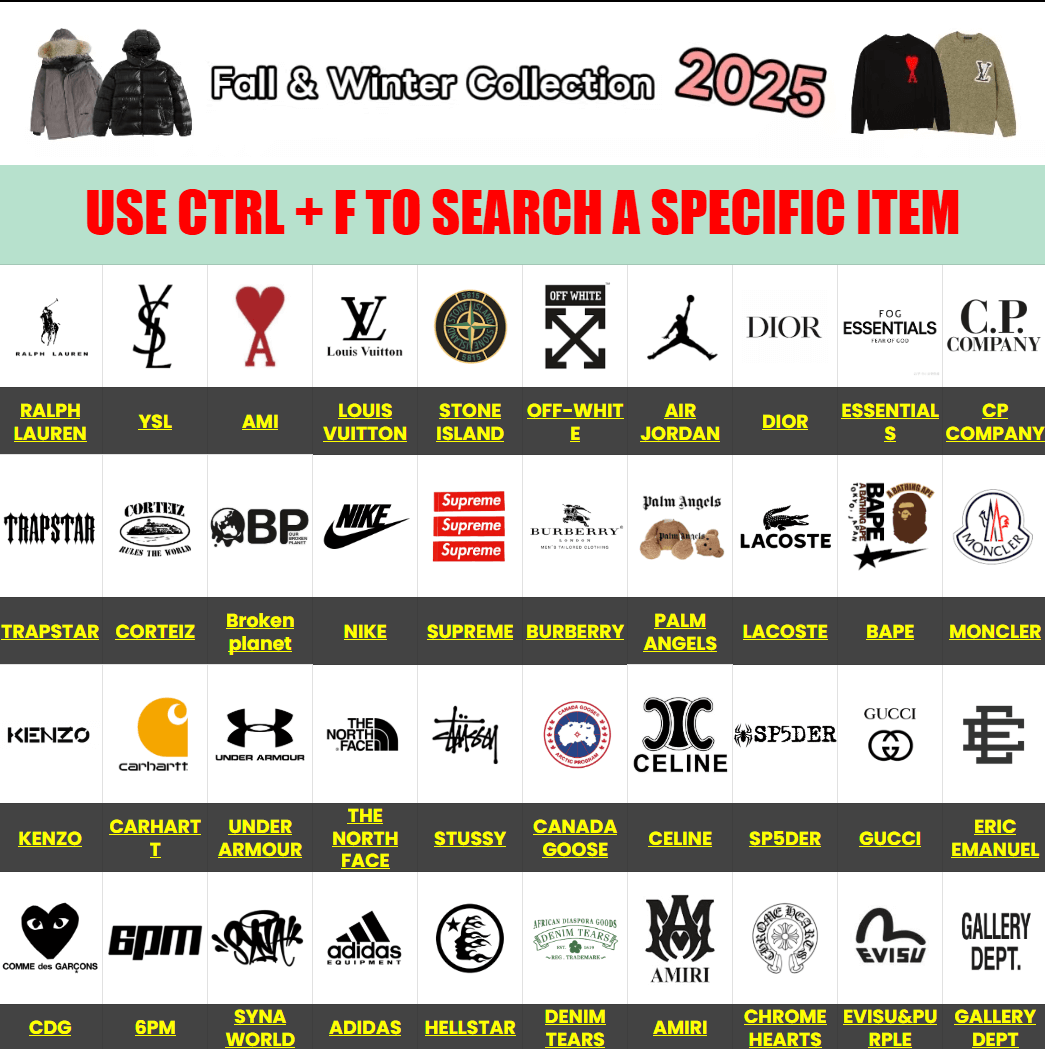
One useful path is the kakobuy spreadsheet hoodies sweaters page when you want to coordinate footwear with tops, but the main shoes category remains the starting point for focused searches. Single-word searches such as “shoes,” a brand name, or a style keyword usually return cleaner results than long descriptive phrases.
Once a promising pair appears, open the product page, review the available images, note any measurement data, and follow the external link to complete the order on the agent platform. This separation keeps browsing fast while preserving the full QC and shipping workflow.
Practical Checklist Before You Confirm
Before finalizing any order I run through a short mental list. First, does the photo set show the sole and at least one side profile? Second, are measurements present or can I request them via QC? Third, does the price sit in a realistic range for the construction level shown? Fourth, have I compared at least two similar options side by side? Fifth, is the agent platform account ready with the correct shipping address?
This checklist takes only a couple of minutes and consistently filters out the weaker listings. It also reduces the chance of ordering something that looks good in a single front photo but disappoints once it arrives.
Over time the process becomes faster. You start recognizing which photo styles and description formats tend to deliver better results. The goal is not perfection on the first try but steady improvement with each order.
Common Questions Answered
Q: How is the product quality? Are there QC photos?
A: Quality depends on the specific listing and source. Stronger options usually provide multiple clear images and basic construction notes. After the warehouse receives the item, most agent platforms let you request QC photos before final shipping. For shoes I always ask for shots of the sole, heel, and upper stitching because those areas are harder to judge from marketing photos alone.
Q: What are the international shipping costs and delivery times?
A: Costs and times vary by agent platform, chosen shipping line, package weight, and destination. Estimates normally appear inside the agent dashboard once the item is in the warehouse. Tracked lines to major destinations in North America, Europe, and Australia commonly take one to three weeks, though this can shift with seasonal volume.
Q: Is the Kakobuy Spreadsheet website mobile version easy to use? How do I search for items I want to buy?
A: The mobile layout is clean and loads faster than large shared sheets. Category and brand pages work well on phones. Search performs best with single keywords such as “shoes,” a brand name, or a short style term. Longer sentences often return fewer useful matches. Product pages keep the path to the agent order link visible near the top.
Q: What should I do if I receive an unsatisfactory product?
A: Contact the agent platform support promptly and include clear photos of the issue. Return windows and policies differ by platform. Significant problems are often easier to resolve than minor ones. For small differences some buyers decide the cost of return shipping outweighs the benefit and keep the item.
Q: What is the Kakobuy Spreadsheet website?
A: It is a web-based catalog that turns popular Google Sheet data into a faster, organized format. Users browse by category or brand, view product previews, and then follow external links to place orders on the corresponding agent platform. The site itself does not handle payments or store inventory.
Q: Kakobuy Spreadsheet website Is it safe?
A: The site works as a browsing and discovery layer. Purchases, payments, warehouse QC, and shipping all take place on the linked agent platform. Standard account security practices still apply—strong passwords and two-factor authentication on the agent side reduce risk.
Q: What types of products are available on the website?
A: The catalog covers a broad range of clothing and accessories, including shoes, jackets, tops, pants, headwear, sets, and smaller items. New entries appear as the underlying data is updated. Footwear remains one of the more active sections because of steady demand.
Q: What are its advantages compared to other google Spreadsheet?
A: Speed and structure are the main practical gains. Large shared sheets often slow down or become hard to filter once they grow large. The web version organizes items into clear category and brand pages, shows previews without long load times, and keeps the experience consistent across devices. It does not replace the agent platform; it simply makes finding and comparing items faster.
Focusing on construction details, accurate measurements, and clear photo sets consistently produces better results than chasing the lowest price. Use the web catalog to shortlist quickly, request QC photos when the pair reaches the warehouse, and treat each order as a chance to refine your own checklist. That approach has saved me both money and frustration over the past year.
Related Kakobuy Shoe Guides and QC Resources
Before choosing a pair, compare the available listings, inspect the actual product details, and consider how shipping weight affects the overall cost. These related resources offer useful next steps.
- How to Use QC Photos to Verify Kakobuy Listings — Learn how to examine visible details such as outsole patterns, stitching, color, and construction before approving an item for shipment.
- Choosing Between Shoes, T-Shirts, Hoodies, and Jackets — Explore the main product categories and find related clothing options to compare with your footwear choices.
- How Shipping Weight Shapes Value in Kakobuy Finds and Decisions — Understand why parcel weight can affect the total cost and how to evaluate shipping alongside an item’s listed price.
- A Practical Guide to Real-Time Updating in Kakobuy Spreadsheets — Learn how updated listing information can support more efficient browsing and help you identify links that may need rechecking.
- Kakobuy Spreadsheet Air Jordan Archive — Explore a sneaker-focused brand archive and compare available listings and product information.
- Kakobuy spreadsheet Archive — Browse a separate archive featuring 10,000+ 2026 finds with QC links.